
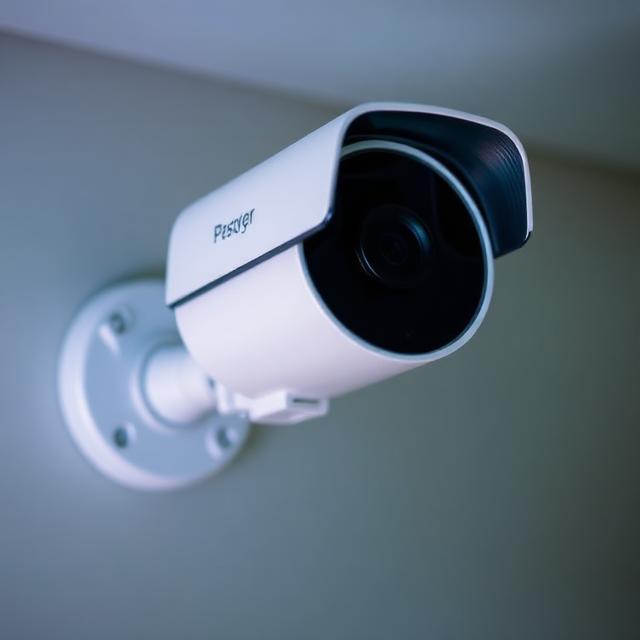
Security cameras are no longer just devices mounted on walls—they have become a powerful first line of defense for homes, offices, stores, warehouses, schools, and commercial properties. But what if your camera could capture details that ordinary surveillance cameras might miss? Megapixel IP cameras are changing the way people monitor their properties by delivering sharper images, greater detail, and smarter network connectivity.
Unlike traditional analog cameras, a Megapixel IP Camera sends digital video over a network, making remote viewing, multi-camera management, and video storage more convenient. But the real question is: How many megapixels do you actually need, and can higher resolution truly make your property more secure?
This is where the Dome Camera enters the picture. Combining a sleek, discreet design with modern IP technology, a dome camera can offer an effective surveillance solution for both indoor and outdoor spaces. In this guide, you’ll discover how megapixel IP cameras work, which resolutions matter, their biggest advantages, and how choosing the right Dome Camera could take your security system to the next level.
How Does a Megapixel IP Camera Work?
A megapixel IP camera captures video through its image sensor. The camera processes the image and converts it into digital data. It then sends that data through an Ethernet or wireless network to a recorder, computer, smartphone, or other compatible device.
A typical system may include:
- Megapixel IP cameras
- Network Video Recorder (NVR)
- Ethernet cables
- Network switch
- Storage drive
- Router
- Monitor or smartphone
This network-based design makes IP surveillance flexible and scalable. You can add additional cameras without completely replacing the existing system, provided that the network and recording equipment can support them.
What Does “Megapixel” Mean?
A megapixel represents approximately one million pixels. Pixels are the tiny points that make up a digital image.
For security cameras, megapixels are commonly associated with resolution. Common options include:
- 1MP: Basic surveillance
- 2MP: Full HD-level surveillance
- 4MP: Sharper detail for general security
- 5MP: Higher image detail
- 8MP: Often marketed as 4K surveillance
A higher resolution can help when you need to identify faces, read signs, monitor entrances, or examine objects in recorded footage.
However, buying the camera with the highest megapixel count is not always the best solution. You should choose a resolution based on your viewing area, lighting, storage capacity, network bandwidth, and security requirements.
Key Benefits of Megapixel IP Cameras
1. High-Resolution Video
The biggest advantage is detailed digital video. Higher-resolution cameras can provide clearer images, especially when monitoring important areas such as entrances, parking lots, reception desks, and retail counters.
2. Network Connectivity
Because IP cameras operate over a network, you can connect them to compatible recording and monitoring equipment. Many systems also allow authorized users to view cameras remotely.
3. Flexible Installation
IP surveillance systems can be designed for homes, offices, stores, factories, and large properties. You can use different camera styles according to the location.
4. Remote Monitoring
Many modern systems support remote viewing through computers and mobile devices. This can help property owners check their premises while they are away.
5. Easy System Expansion
A network-based system can often accommodate additional cameras as your security requirements grow.
6. Advanced Features
Many megapixel IP cameras include features such as motion detection, night vision, wide dynamic range, smart alerts, and digital image enhancement.
Megapixel IP Camera vs. Analog Camera
Traditional analog CCTV cameras transmit video differently from IP cameras. An IP camera sends digital video over a network, while an analog system generally sends video through dedicated coaxial cabling to a DVR.
Megapixel IP cameras can offer several advantages, including higher resolutions, network connectivity, flexible remote access, and easier integration with modern surveillance systems.
However, analog systems can still be useful when upgrading an existing installation on a limited budget. The right choice depends on your property, existing equipment, budget, and desired features.
What Is a Dome Camera?
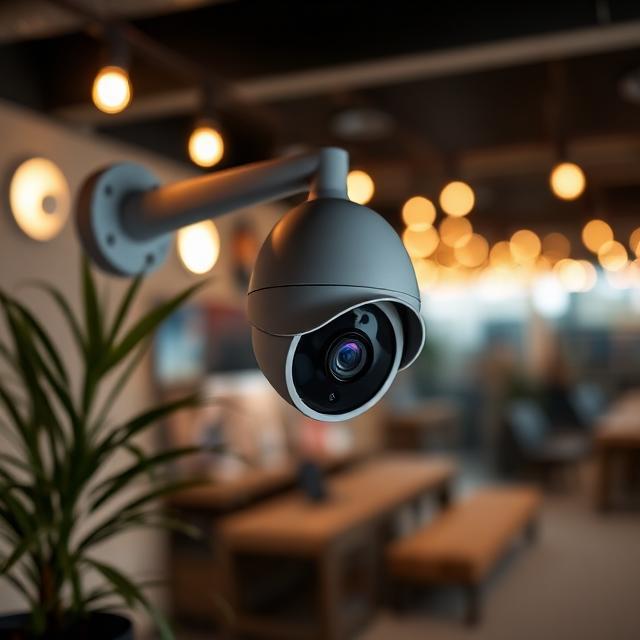
A Dome Camera is a security camera designed inside a rounded, dome-shaped housing. Its compact appearance makes it popular in homes, offices, shops, hotels, schools, and other locations.
Dome cameras can use different technologies, including IP technology. This means you can have a megapixel IP Dome Camera that combines high-resolution digital video with the discreet design of a dome housing.
This combination can be particularly useful when you want effective surveillance without installing a large or visually distracting camera.
Why Combine Megapixel IP Technology With a Dome Camera?
A megapixel IP Dome Camera brings together two useful features: digital network surveillance and a compact camera design.
For example, a 4MP or 8MP IP Dome Camera may provide detailed footage while its dome-shaped housing blends into the surrounding environment.
This makes it suitable for locations such as:
- Home entrances
- Offices
- Retail stores
- Hotel corridors
- School hallways
- Reception areas
- Indoor commercial spaces
- Covered outdoor areas
The best camera depends on the environment and the specific area you need to monitor.
Important Features to Look For
Before purchasing a megapixel IP camera, consider the following features.
Resolution
Choose a resolution that provides enough detail for your surveillance area. Higher resolution can be useful for larger areas, but it also requires more storage and bandwidth.
Night Vision
If you need 24-hour surveillance, infrared or other low-light technology can help the camera capture footage in dark conditions.
Wide Dynamic Range
WDR can help produce better images in challenging lighting conditions, such as entrances where bright outdoor light meets a darker indoor area.
Motion Detection
Motion detection can help reduce unnecessary recordings and provide alerts when movement is detected.
Weather Resistance
For outdoor installations, look for suitable weather-resistant protection. Indoor cameras generally do not need the same level of environmental protection.
Storage
High-resolution video can consume significant storage space. Make sure your NVR or storage system can handle the camera’s resolution, frame rate, and recording schedule.
Network Compatibility
Check that the camera works with your network equipment and recording system. Compatibility is especially important when mixing products from different manufacturers.
How to Choose the Right Megapixel IP Camera
Start by identifying the area you want to monitor. A small indoor room may not require the same camera as a large parking area.
Next, consider the lighting conditions. If the area becomes dark at night, choose a camera with suitable low-light or night-vision capabilities.
Then determine the required image detail. If you need to recognize faces or read signs, a higher-resolution camera may be beneficial.
You should also consider network bandwidth and storage. A high-resolution camera produces more data, so your network and recorder must be capable of handling it.
Finally, choose a suitable camera design. For indoor spaces where appearance matters, a megapixel IP Dome Camera can be an excellent option.
Installation Tips
Correct installation can significantly affect surveillance performance.
Install the camera at a suitable height and angle so that the important area remains within the field of view. Avoid pointing the camera directly toward strong light sources because this can reduce image quality.
For outdoor installations, select a camera designed for outdoor conditions. Protect cables from moisture and physical damage, and use secure mounting hardware.
After installation, test the camera during both daytime and nighttime conditions. Check the viewing angle, image clarity, motion detection, and remote access before completing the installation.
Is a Higher Megapixel Camera Always Better?
Not necessarily.
A higher megapixel count can provide more detail, but image quality also depends on the sensor, lens, lighting, compression, and camera processing.
For example, a well-designed 4MP camera can sometimes produce more useful footage than a poorly designed higher-resolution camera.
Therefore, don’t choose a camera based solely on the megapixel number. Consider the complete surveillance system.
Common Mistakes to Avoid
One common mistake is buying a camera with more resolution than the network or recorder can support.
Another mistake is ignoring lighting conditions. Even a high-resolution camera may produce poor footage in extremely dark or difficult lighting.
Some buyers also forget about storage. Higher-resolution video can require substantially more storage capacity.
Finally, avoid installing a camera without considering its viewing angle. A high-resolution camera cannot compensate for a poorly positioned lens.
Conclusion
A megapixel IP camera can provide detailed digital surveillance, network connectivity, remote monitoring, and flexible installation options. From homes and offices to stores and commercial properties, these cameras can form an important part of a modern security system.
When you want high-resolution surveillance in a compact and discreet design, a Dome Camera is worth considering. A megapixel IP Dome Camera combines the benefits of network-based video with the practical appearance of a dome housing.
Instead of choosing a camera based only on megapixel count, consider resolution, lighting, lens quality, night vision, storage, network capacity, and installation requirements. By evaluating the complete system, you can choose a surveillance solution that provides useful, reliable, and clear video when you need it most.